Homepage
/
Case Studies
/
Lokalise moves from WordPress to Strapi

Lokalise moves from WordPress to Strapi

Lokalise made its website faster and easier to maintain.

30%

Faster site

27

WP plugins removed

Company type
Series B startup
Company size
300 ppl
Service type
Legacy CMS rewrite
Duration
300+ MDs

Project context

Lokalise, a leader in localisation software, needed to unify its digital experience.

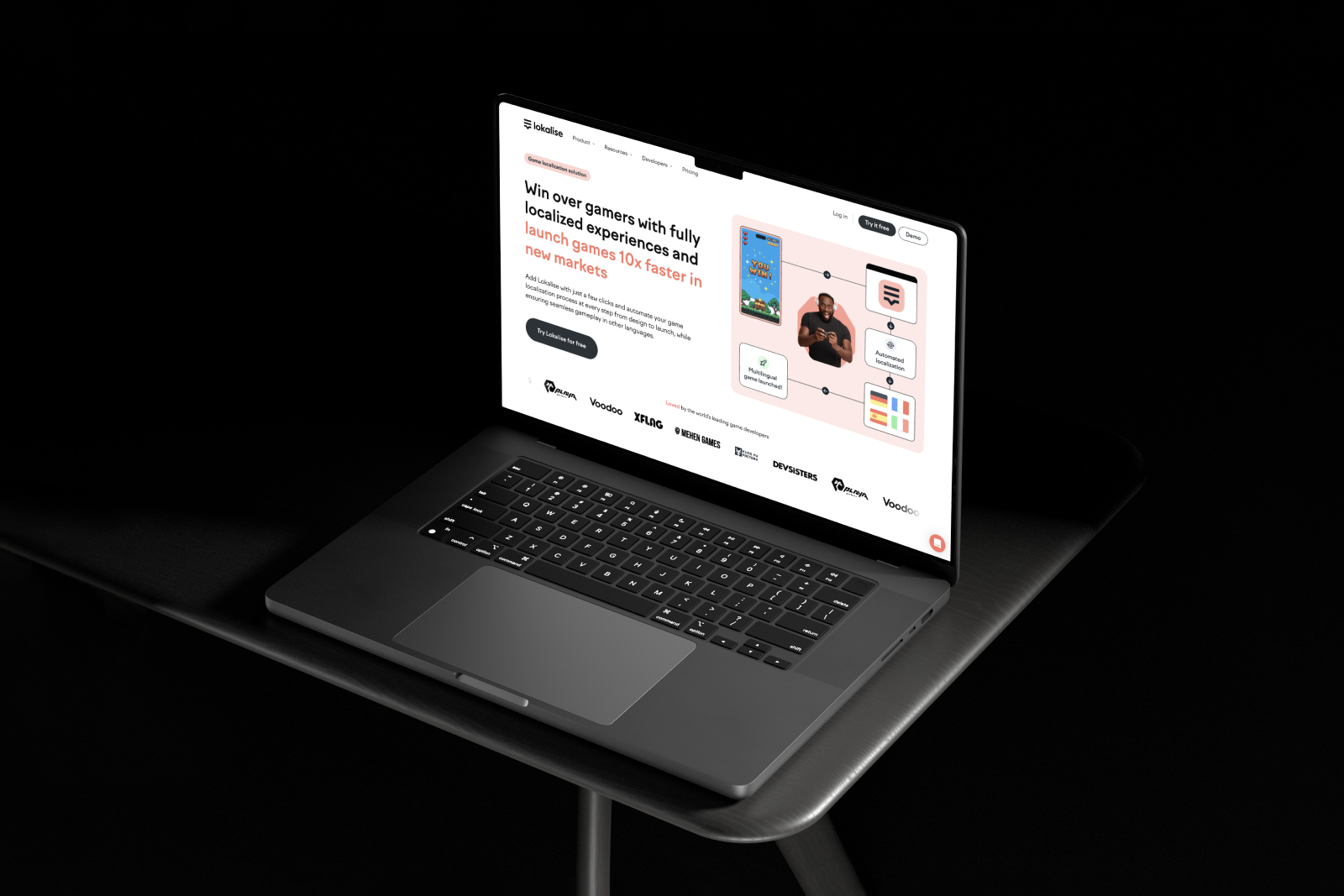
Notum moved all features and content into a single, flexible CMS and built a brand new web using Strapi v5 and Next.js.

The Challenge

Lokalise’s previous setup created bottlenecks for the editorial team.

Differences between CMS instances led to inconsistencies in design and a non-consistent user experience and even minor content updates often required developers.

Strapi was chosen as it fits well into Lokalise’s infrastructure and provides a strong foundation for multilingual content management and future scalability.

Editors wanted to collaborate in real time and preview changes before publishing without developer support.
The Solution

  • Full migration from WordPress and Sulu to Strapi v5.
  • The platform includes live preview and role-based editing.
  • More than 200 component variants were consolidated into a centralised library.

Customisations and Plugins

Notum removed third-party plugins and replaced them with Strapi’s built-in features.

By using Strapi’s built-in features together with Notum’s open source Strapi + Next.js starter template setup, Notum was able to remove all the often third-party plugins.

To address specific editorial needs, we implemented:

  • Sitemap Generator: Auto-regenerates on content change, respects canonical and noindex rules.
  • Dynamic Redirects & Custom Permalinks: Fully managed from Strapi, synced to frontend routes.
  • Table Builder Component: Enables editors to manage structured data, which is rendered as data tables on the frontend.
  • Code Highlighter: Modular syntax highlighting for content blocks.

Redundant performance and optimisation utilities like WP Rocket or WebP Express were removed, as Strapi handles image optimisation natively.

The Implementation Process

1. Content Audit & Analysis: All content was reviewed to define a migration plan.

2. Design Unification: Components were redesigned and standardised.


3. Data Migration:
500+ pages were migrated into Strapi.


4. SEO & URL Mapping
ensured search rankings remained stable.

Results & Impact

The migration brought improvements in Core Web Vitals:

Homepage (mobile): LCP 2.6s → 2.1s

Case Studies page (mobile): LCP 3.4s → 2.2s

Editors now manage everything within a single Strapi instance with no developer support required.

Business impact

  • The migration enabled to launch new pages and languages quickly, with reusable components.
  • Editorial workflows became faster and more transparent thanks to real-time previews, scheduling, and versioning.
  • All sites now share a unified design system, ensuring consistency.
  • Replacing many plugins with native Strapi functionality simplified the maintenance and improved platform stability.
  • Core Web Vitals metrics improved significantly.

Technical Deep Dive

Architecture Overview

The platform combines dynamic rendering and static generation for optimal flexibility and performance.

Content is rendered in real time via Next.js SSR running securely inside the client’s VPN, while static builds are exported to an AWS S3 bucket, ensuring global scalability and fast delivery.

A custom Page Builder in Strapi powers on-demand content rendering.

Instead of relying on heavy deep-populate queries, the system uses a Strapi v5 document middleware with a custom populate object, dynamically resolving related data during page fetch. This approach improves performance.

Performance optimisations

  • Static-first architecture with Next.js SSG and edge caching for instant loads.
  • The site remains usable even with JS disabled.
  • Built on the Notum Strapi + Next.js Monorepo Starter for performance and scalability out of the box.

Security considerations

  • Secure & Scalable Architecture: The Strapi + Next.js stack runs on the client’s private infrastructure, with Strapi isolated behind a VPN, and only static builds are publicly exposed. This ensures both strong security and effortless scalability.

Recommendations

  1. Efficient Data Fetching: Replace deep-populate with Strapi document middleware and a custom populate attribute for cleaner, faster responses.

  2. Default to SSG: Use static generation for most pages.

  3. Preview Integration: Connect Strapi’s preview API with Next.js Draft Mode for instant, accurate content previews.

  4. Routing & Redirects: Manage slugs and redirects in Strapi, then sync to an AWS key-value store for edge-level performance.

Security & Delivery: Keep Strapi behind a VPN and expose only static builds; handle media via Next/Image with signed URLs for private assets.

Lokalise trusts us with their site. Want the same team for your site?

Book a free call https://calendly.com/notum

The impact

Lokalise moved from WordPress/Sulu to one Strapi + Next.js platform, making the site about 30% faster and improving Core Web Vitals on key pages.
Editors now handle all pages and languages in one CMS, so engineering spends less time on content changes and more on the core product.

Let’s talk.

We’ll find the solution that fits your needs.

Contact Us

Hi, Notum here.

Send us a message and we’ll get back to you shortly.

You can also e-mail us at sales@notum.cz or book a meeting directly in our calendar.

Hi, Notum here.
Step 1

Send us a message or schedule a call.

Step 2

Discuss your needs in a 25 min free call.

Step 3

Get a quote from us within 3 days.

Get in Touch

Submit
Thank you! Your submission has been received!
Oops! Something went wrong while submitting the form.

You can also e-mail us at sales@notum.cz or book a meeting directly in our calendar.